

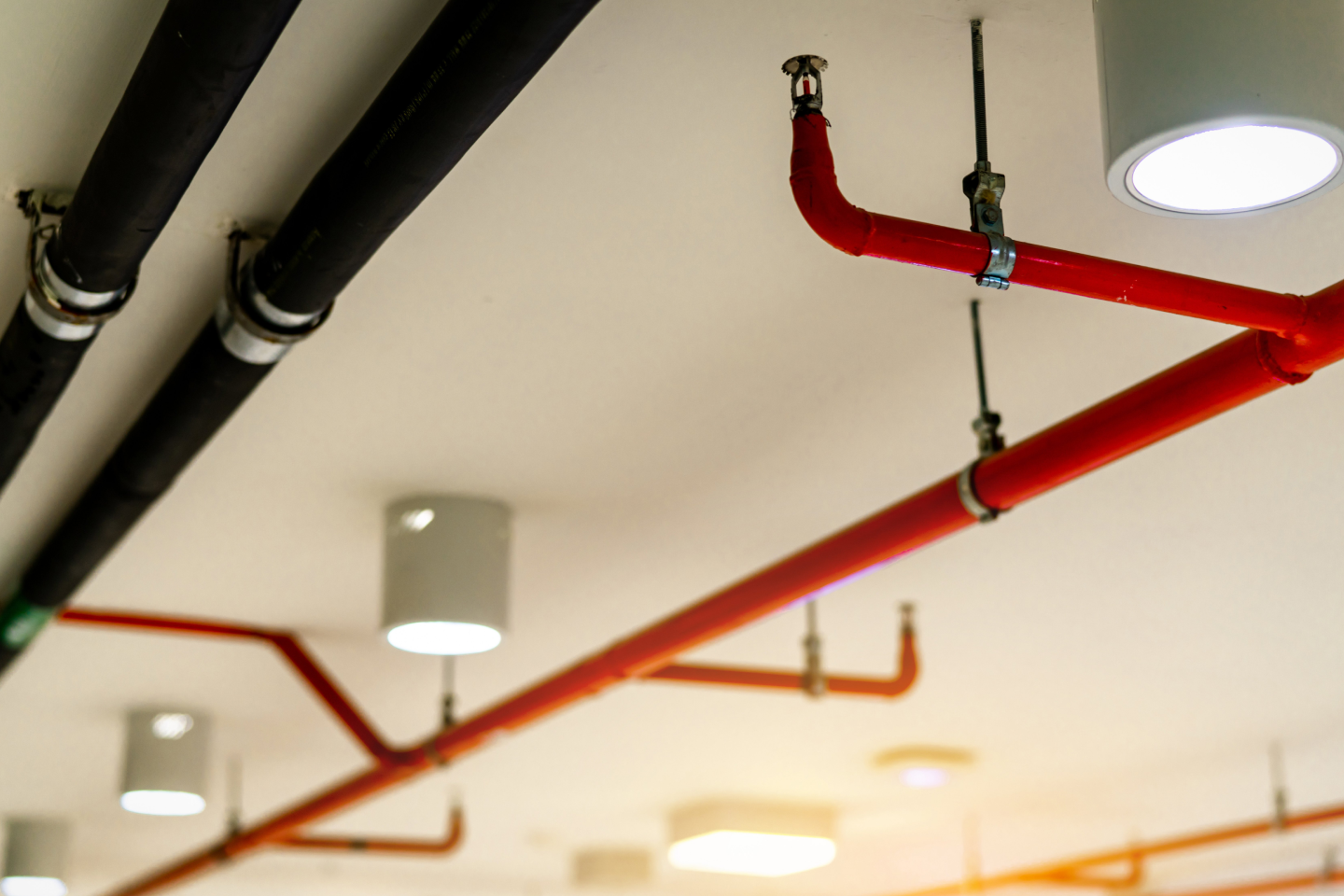
When we think of fire safety in a building, our minds often jump to the visible, active systems: smoke alarms blaring, sprinklers activating, or fire extinguishers mounted on walls. While these Active Fire Protection (AFP) systems are crucial for fighting an ongoing fire, there is an equally vital, silent hero working behind the scenes: Passive Fire Protection (PFP).
For high-stakes environments like data centers, commercial hubs, and industrial facilities, PFP is the foundational shield that prevents a localized incident from becoming a catastrophic disaster. At RV Constructions, we specialize in delivering robust, compliant passive fire protection services designed to contain fire at its source, protect structural integrity, and—most importantly—buy precious time to save lives.
Here is a closer look at what passive fire protection entails and why your facility needs it.
What is Passive Fire Protection?
Unlike active systems that require a trigger or motion to extinguish a fire, passive fire protection is built directly into the structure of a building. It utilizes fire-resistant materials and smart design to prevent the spread of fire, smoke, and toxic gases.
The primary goals of PFP are:
- To maintain structural stability during a fire.
- To compartmentalize the fire, keeping it restricted to its point of origin.
- To secure safe evacuation routes for occupants and clear access paths for emergency responders.
Core PFP Solutions for High-Risk Environments
Different facilities face distinct challenges. A data center packed with critical servers requires a different approach than a sprawling industrial plant. At RV Constructions, we provide targeted solutions across three key areas:
1. Fire Compartmentation
Fire compartmentation is the practice of dividing a building into “cells” or compartments using fire-rated walls, floors, and ceilings. If a fire starts inside one compartment, the barrier prevents it from spreading to adjacent rooms for a certified period (typically 30 to 120+ minutes). This is especially critical in commercial buildings and multi-story offices to ensure exit stairwells and corridors remain completely smoke-free.
2. Penetration Sealing
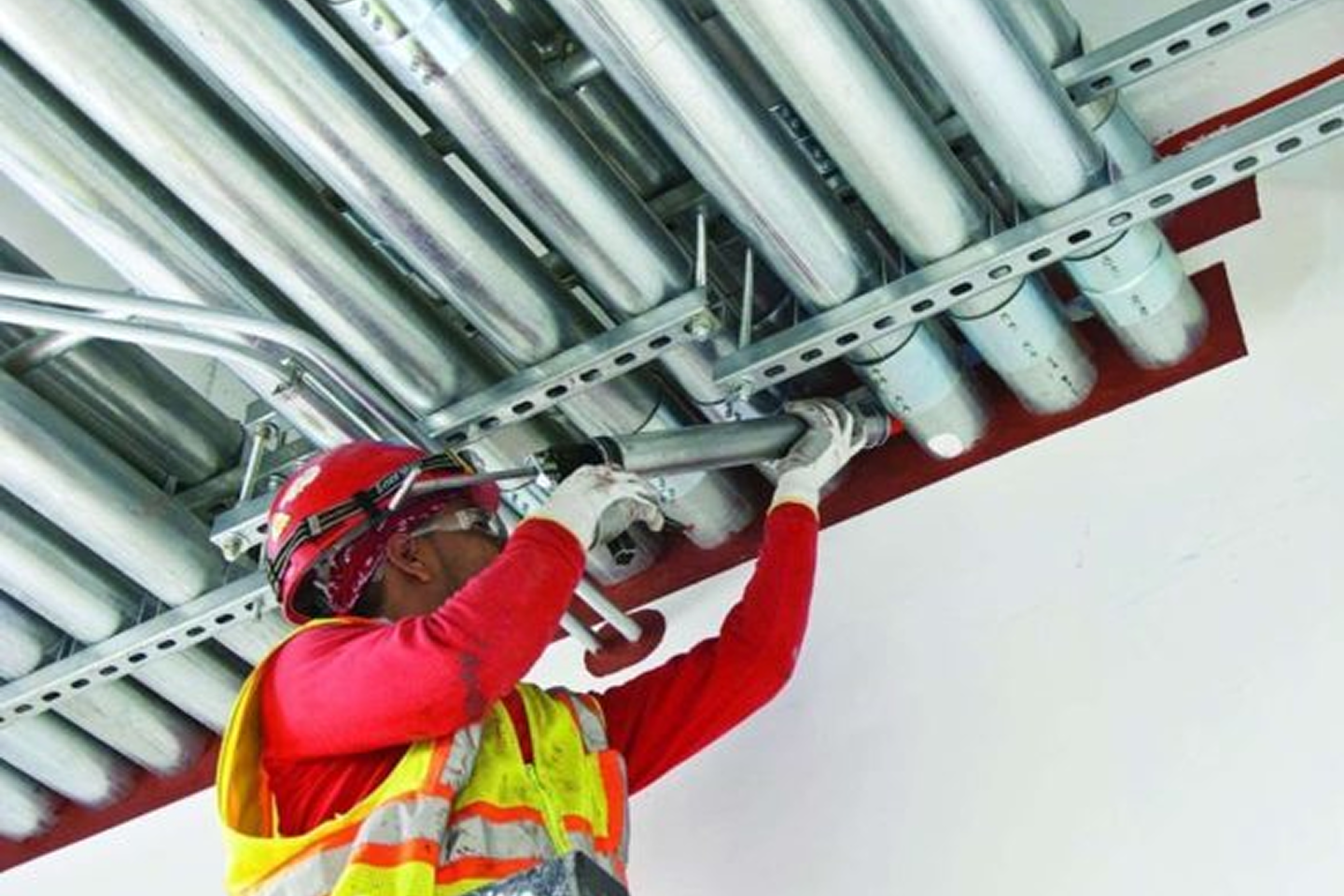
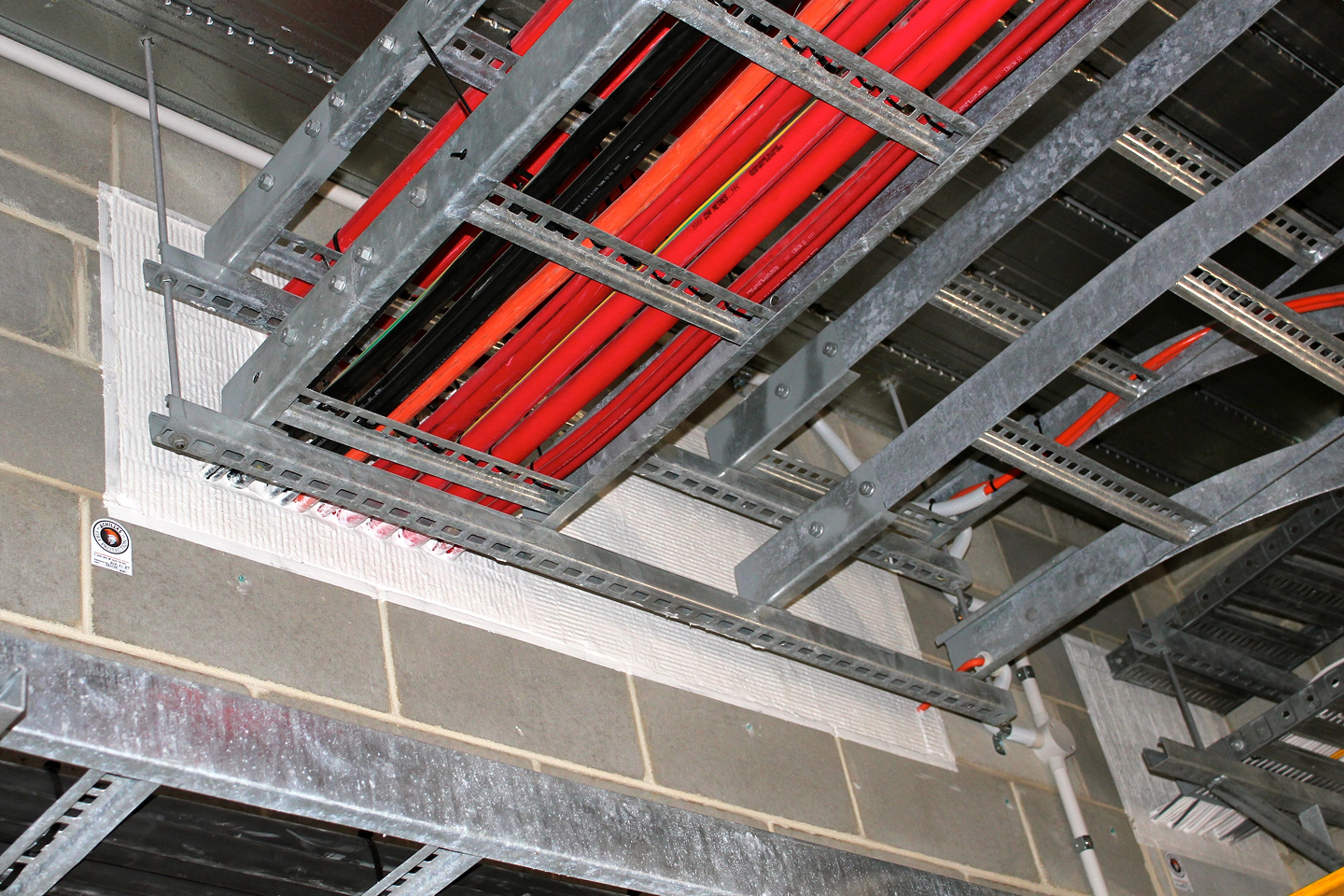
Modern buildings are webbed with service utilities—electrical cables, data lines, plumbing pipes, and HVAC ductwork all pass through fire-rated walls and floors. Every time a hole is drilled for these services, the fire barrier is compromised.
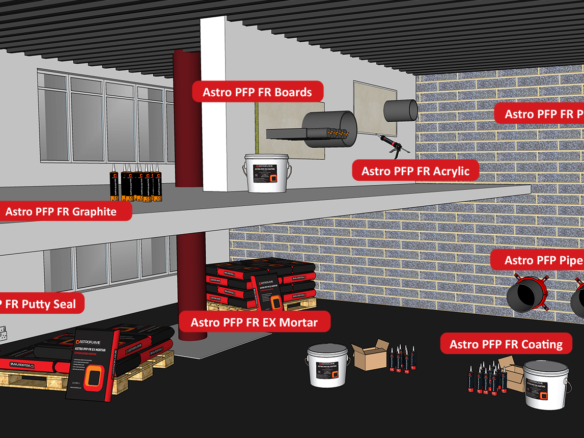
Penetration sealing involves using specialized intumescent sealants, fire batt, collars, and wraps to seal these gaps. In the event of a fire, these materials expand rapidly when exposed to heat, tightly sealing any voids left by melting plastic pipes or cables, blocking the passage of fire and deadly smoke.
3. Fire Safety Compliance
Fire safety isn’t just about installing materials; it is about meeting rigorous regulatory standards. Standards dictate strict guidelines for building safety. RV Constructions offers comprehensive compliance solutions, from initial risk assessments and detailing to executing certified installations. We ensure your facility satisfies local building codes, passes safety audits, and remains fully insured.
Industry-Specific Impact
- Data Centers: In a data center, smoke and heat can ruin millions of pounds worth of digital infrastructure in minutes. Strict penetration sealing around dense data cabling ensures that fire and corrosive smoke from a plant room cannot breach the server halls.
- Commercial Buildings: With high occupant densities, retail spaces and corporate offices rely heavily on fire compartmentation to keep escape routes clear, managing panic and allowing safe evacuation.
- Industrial Facilities: Industrial plants often house combustible materials or hazardous processes. Heavy-duty PFP solutions prevent structural steel failure, ensuring the building stands long enough for emergency teams to bring the hazard under control.
Partner with RV Constructions
Passive fire protection is an investment in continuity, compliance, and human life. At RV Constructions, we bring technical expertise, high-quality materials, and certified installation practices to every project. Whether you are managing a new build or upgrading an existing facility, our team ensures your property is built to resist the unexpected.
Protect your assets, secure your building, and achieve total peace of mind. Contact RV Constructions today to discuss your passive fire protection and compliance needs.
Frequently Asked Questions (FAQs)
What is the difference between Active and Passive Fire Protection?
Active protection requires action to fight a fire (like sprinklers or fire extinguishers). Passive protection is built into the structure itself (like fire-rated walls and penetration seals) to contain fire and smoke without needing human or mechanical activation.
Why is penetration sealing so important?
When cables, pipes, or ducts pass through walls, they leave gaps. Penetration sealing plugs these voids with fire-resistant materials, blocking toxic smoke and flames from spreading to clean areas.
How often should passive fire protection be inspected?
At least once a year. However, high-traffic buildings or data centers with frequent wiring updates should inspect them more often. Always reseal gaps immediately whenever new pipes or cables are installed.
Can passive fire protection prevent a building from collapsing?
Yes. By compartmentalizing the fire, it stops extreme heat from buckling structural steel columns. This buys crucial time for the fire department to arrive and control the blaze before it destroys the structure.
Are RV Constructions' solutions compliant with safety codes?
Yes. We use certified materials and industry-approved methods that strictly align with national building codes and fire safety standards to ensure your facility passes all regulatory audits.


Join The Discussion